
Stereoscopic Vision: Technical Explainer
Stereoscopic vision is the human ability to perceive depth by combining the slightly different images seen by each eye into a single three-dimensional percept. In a professional review workflow, the same principle is what allows a glasses-free 3D spatial display to show real depth to a viewer seated in front of the screen.
This explainer covers what stereoscopic vision is, how it works optically, how display systems reproduce it, and what content and workflow conditions are required so that a 3DV spatial display can present stereoscopic perception reliably.
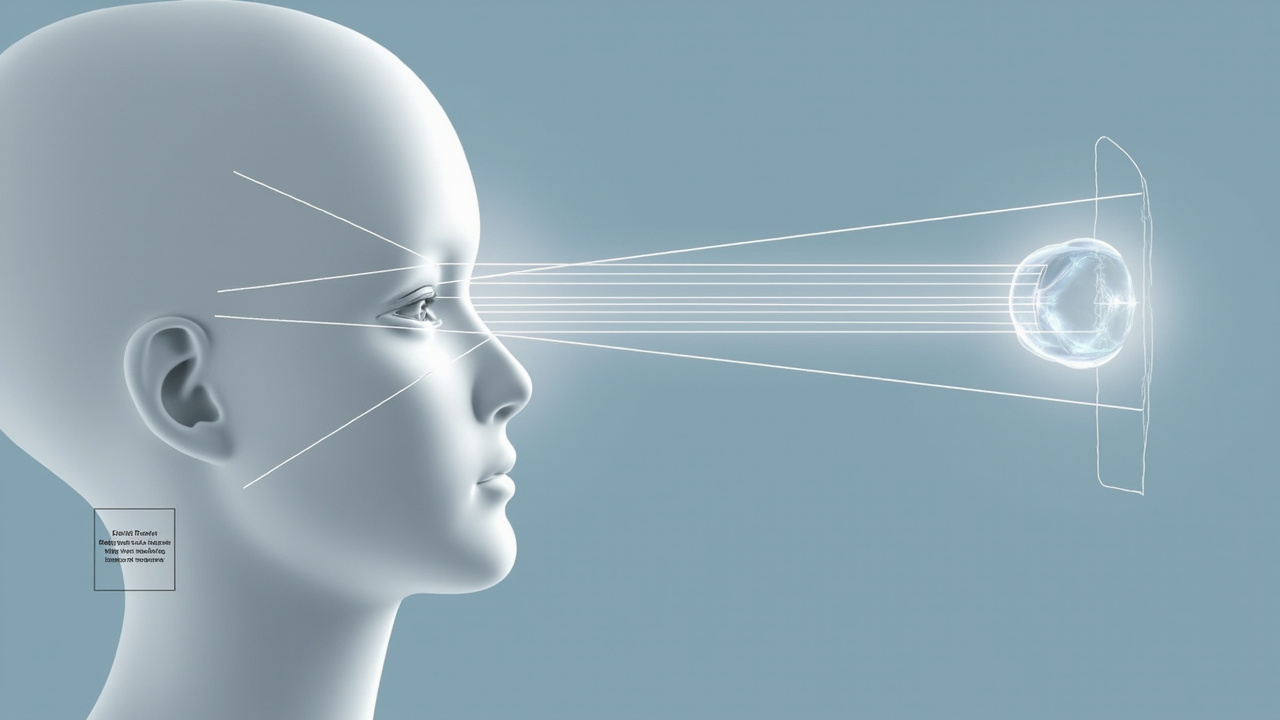
Stereoscopic vision combines the small horizontal offset between left-eye and right-eye views into a single depth percept.
What stereoscopic vision is
Stereoscopic vision, sometimes called binocular depth perception, is the visual system’s use of the small horizontal offset between the left and right eyes to recover depth. Because each eye views the world from a slightly different horizontal position, the two retinal images differ. The brain fuses those differences into a single depth-aware percept.
Three properties follow from this:
- Horizontal disparity is the source signal. Each eye sees a slightly shifted version of the same scene.
- Fusion is the process. The visual cortex matches corresponding features between the two images and binds them into one perception.
- Depth emerges. Differences in disparity encode near-versus-far relationships across the scene.
Stereoscopic vision is distinct from monoscopic 3D cues such as perspective, shading, occlusion, motion parallax, and familiar size. Those cues still operate, but stereoscopic vision adds a binocular signal that monoscopic viewing cannot provide.
How binocular depth perception works
The binocular signal has several stages, and each one matters for how a display must deliver content.
- Retinal disparity. Each eye captures a two-dimensional image of the scene. Horizontal offset between matched features in the two images is the raw input to depth.
- Binocular fusion. The visual cortex matches left-eye and right-eye features and combines them. If the images are too different, fusion breaks down and the viewer sees double, or “ghosting.”
- Stereopsis. The resulting fused percept encodes depth. Crossed disparity (left-eye features displaced to the right) reads as “in front of the screen.” Uncrossed disparity (left-eye features displaced to the left) reads as “behind the screen.”
- Vergence and accommodation. The eyes rotate to converge on a target, and the lenses focus at the target distance. When display depth is held close to the screen plane, the two systems stay coupled in a comfortable range.
The practical consequence is that any display attempting to reproduce stereoscopic vision must deliver two stable, well-matched views with controlled horizontal offset, and keep the apparent depth within a comfortable vergence-accommodation range.
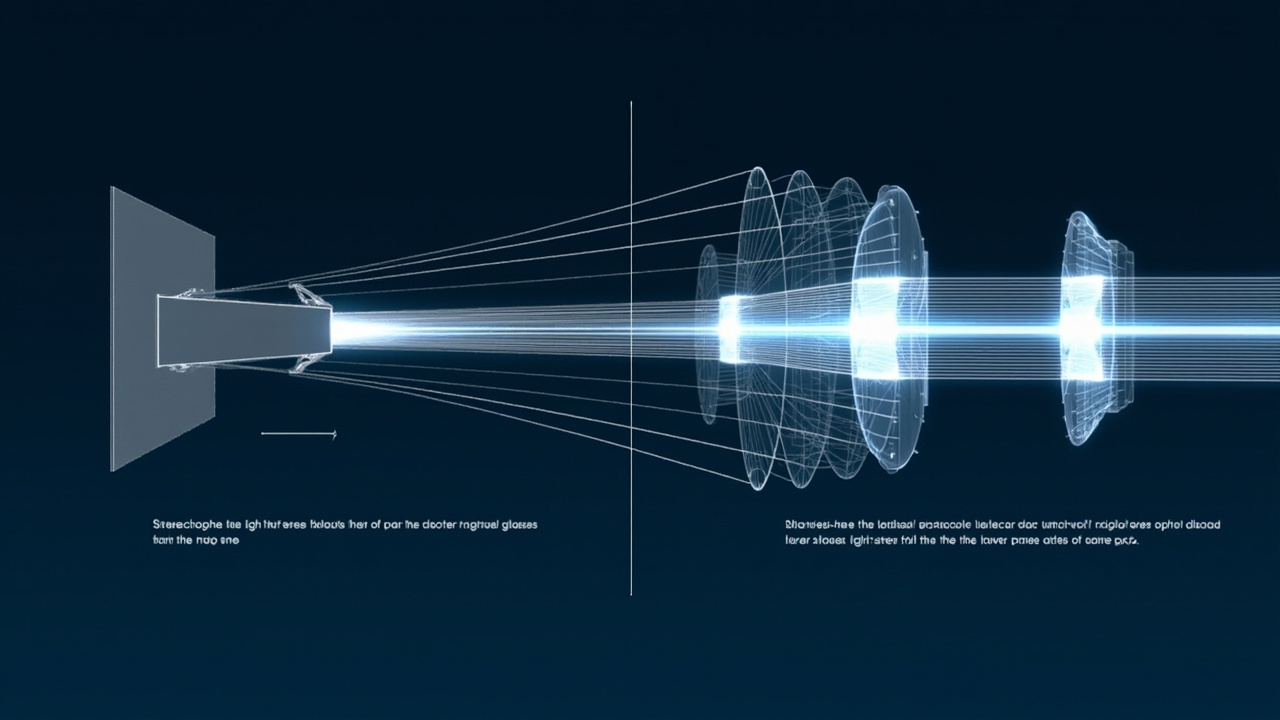
Autostereoscopic displays reproduce the binocular input stereoscopic vision requires without eyewear, by steering left and right views to the viewer.
From human vision to display: presenting two views
A stereoscopic display reproduces binocular disparity by ensuring each eye sees only the view intended for it. The mechanism determines whether glasses are required.
- Anaglyph and polarized glasses. Color filters or polarization states separate left and right views. These are traditional stereoscopic paths that still need eyewear.
- Active shutter glasses. Synchronized shutters alternately occlude each eye in time with the displayed frames. Still glasses-based.
- Autostereoscopic (glasses-free) displays. Optical elements in front of the LCD, such as a parallax barrier or a lenticular lens array, direct different pixels toward different viewing angles. With eye tracking, the display can steer the left-eye and right-eye views toward the actual viewer position.
The key point is that all of these approaches share the same perceptual goal: present two views with the correct horizontal offset so the brain can perform fusion and produce stereopsis. They differ in how the views are separated.
Stereoscopic vision vs autostereoscopic display
Stereoscopic vision describes a human capability. Autostereoscopic display describes a device architecture that reproduces the binocular input stereoscopic vision requires, without eyewear.
- Stereoscopic vision. A property of the viewer. It exists whether or not any display is present.
- Stereoscopic display. A display that delivers two views, typically with glasses.
- Autostereoscopic display. A display that delivers two views without glasses, using optical steering, parallax barriers, lenticular layers, and often eye tracking.
3DV Spatial Display systems are autostereoscopic. They use display-side optical steering to deliver left-eye and right-eye views to the viewer, producing the binocular input the visual system needs for stereoscopic perception.
How 3DV spatial displays deliver stereoscopic perception
The 3DV spatial display line applies stereoscopic vision principles to a monitor-style workflow. The relevant elements are:
- Eye-tracked autostereoscopic architecture. The display locates the viewer’s eyes with structured-light eye tracking and routes pixels to the correct viewing angle, so each eye sees its intended view.
- Display-side FPGA processing. View mapping and rendering adjustments are handled at the display, keeping latency low.
- Dynamic stereo view mapping. The left-eye and right-eye views are updated as the viewer moves, preserving a stable stereoscopic image.
- Lenticular or parallax-barrier optical layer. Depending on model, the optical layer in front of the panel performs the directional separation between views.
- 2D and 3D workflow switching on Pro models. Pro displays support high-quality 2D use as well as 3D review, which is useful for teams that split time between standard monitor tasks and stereoscopic review.
Current spatial display positioning is non-touch. 3D review is handled through the viewing optics, not through a touch interface.
Content requirements for stereoscopic viewing
Stereoscopic perception on a 3DV display only emerges if the source content provides the two views stereoscopic vision expects.
Strong-fit content:
- Side-by-side (SBS) stereo video and images, with the left view on the left and the right view on the right.
- CAD and 3D model viewers that can output a stereo pair or that the display’s pipeline can route as separate left-eye and right-eye views.
- Medical or industrial 3D exports with stereo output enabled.
- Unity, Unreal, WebGL, or custom 3D applications configured to drive two cameras into a stereo pair.
Content that usually needs preparation:
- Ordinary 2D video. There is only one view, so there is no binocular disparity to fuse.
- Flat images and screenshots. Same limitation.
- 3D applications that only output a single camera. A stereo camera setup, or an SBS render path, is typically required.
If a workflow cannot generate two matched views, the display will still operate, but it will not produce true stereoscopic depth. Buyers evaluating stereoscopic workflows should verify the content pipeline before specifying a model.
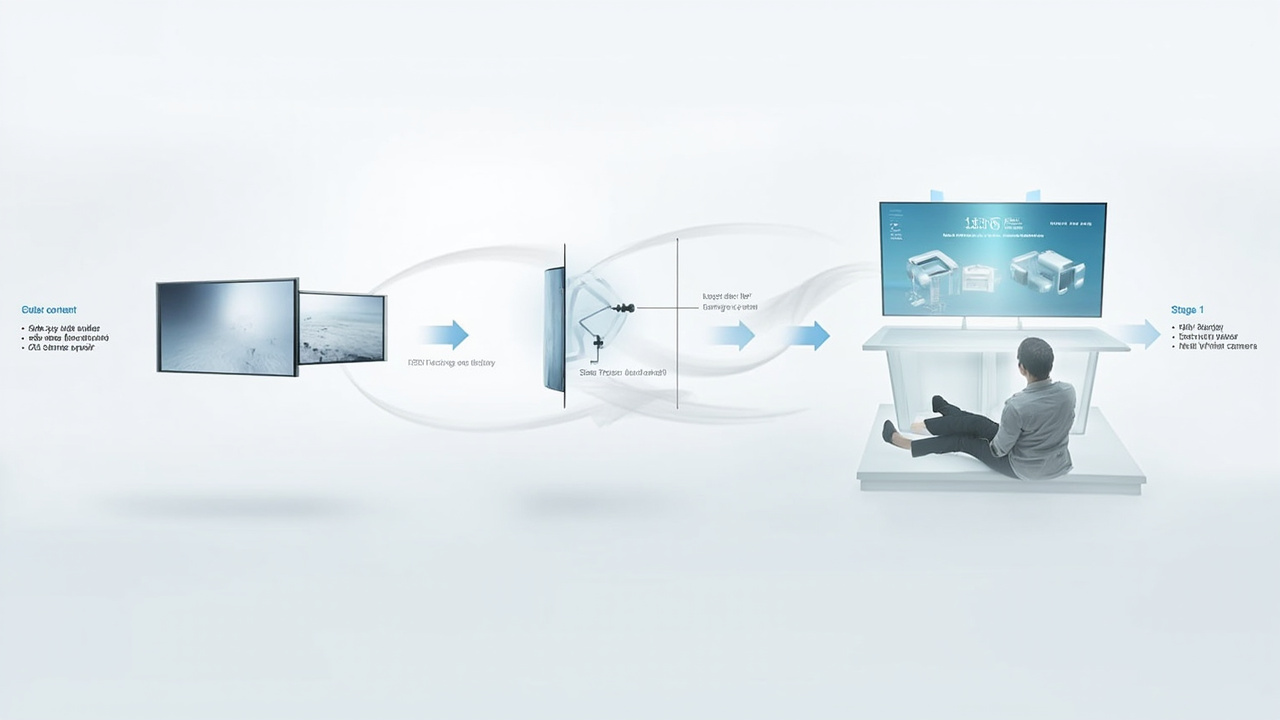
A stereo-ready content pipeline is what allows a 3DV spatial display to produce stereoscopic perception.
Workflow fit and limitations
Stereoscopic viewing on a 3DV spatial display is a monitor-style workflow. That shape sets its strengths and limits.
- Strengths. Real depth on a flat panel, no headset, shared viewing for review teams, and compatibility with stereo-ready content pipelines already common in CAD, medical visualization, and 3D microscopy.
- Comfort range. Apparent depth should stay close to the screen plane to keep vergence and accommodation within a comfortable range. Very large pushes in front of or behind the panel increase visual discomfort.
- Single primary viewer. Eye-tracked autostereoscopic systems optimize for the tracked viewer. The stereoscopic experience is best at that position; secondary viewers see a degraded or cross-talk image.
- Content dependency. The display does not invent depth. The source must carry a stereo pair, or a pipeline that produces one.
- Non-touch operation. Interaction is handled through standard peripheral input, not through the display surface.
These limits are not flaws of stereoscopic vision itself. They describe how a glasses-free display maps that vision onto a review station.
Related terms and where to go next
Adjacent concepts worth reading in order:
- Stereoscopic 3D: Technical Explainer covers how stereoscopic content differs from monoscopic content.
- Stereoscopic Displays: Technical Explainer covers glasses-based display implementations.
- Autostereoscopy: Technical Explainer defines the glasses-free display category.
- Spatial 3D Display: Technical Explainer explains how 3DV applies these principles in its spatial display line.
Practical next steps for buyers:
- Review the Glasses-Free 3D Display product page to understand the current model line and use cases.
- Check source pipelines against the Content Compatibility guide, and review the Stereoscopic Display Software Workflow and Compatibility Guide for stereo content preparation.
- Use the Display Selector to match viewing needs to a model size and series.
- If the workflow is not yet validated, request support through Ask Before Ordering before placing an order.
Stereoscopic vision is the perceptual foundation. The display architecture, content pipeline, and workflow fit together determine whether that foundation becomes a usable review tool on a given project.