Life science morphology review
Compare shape, structure, and layered organization in botany, zoology, and marine biology studies where subtle variation matters.
Solutions / Spatial Microscope / Professional Research
Research labs often capture rich microscope data but still lose time when specialists must repeatedly explain depth and structure from flat references.
This solution is built for professional research teams that run long observation sessions, compare subtle morphology changes, and need consistent interpretation across multiple specialists using an autostereoscopic 3D microscope review workflow.
Common Uses
Compare shape, structure, and layered organization in botany, zoology, and marine biology studies where subtle variation matters.
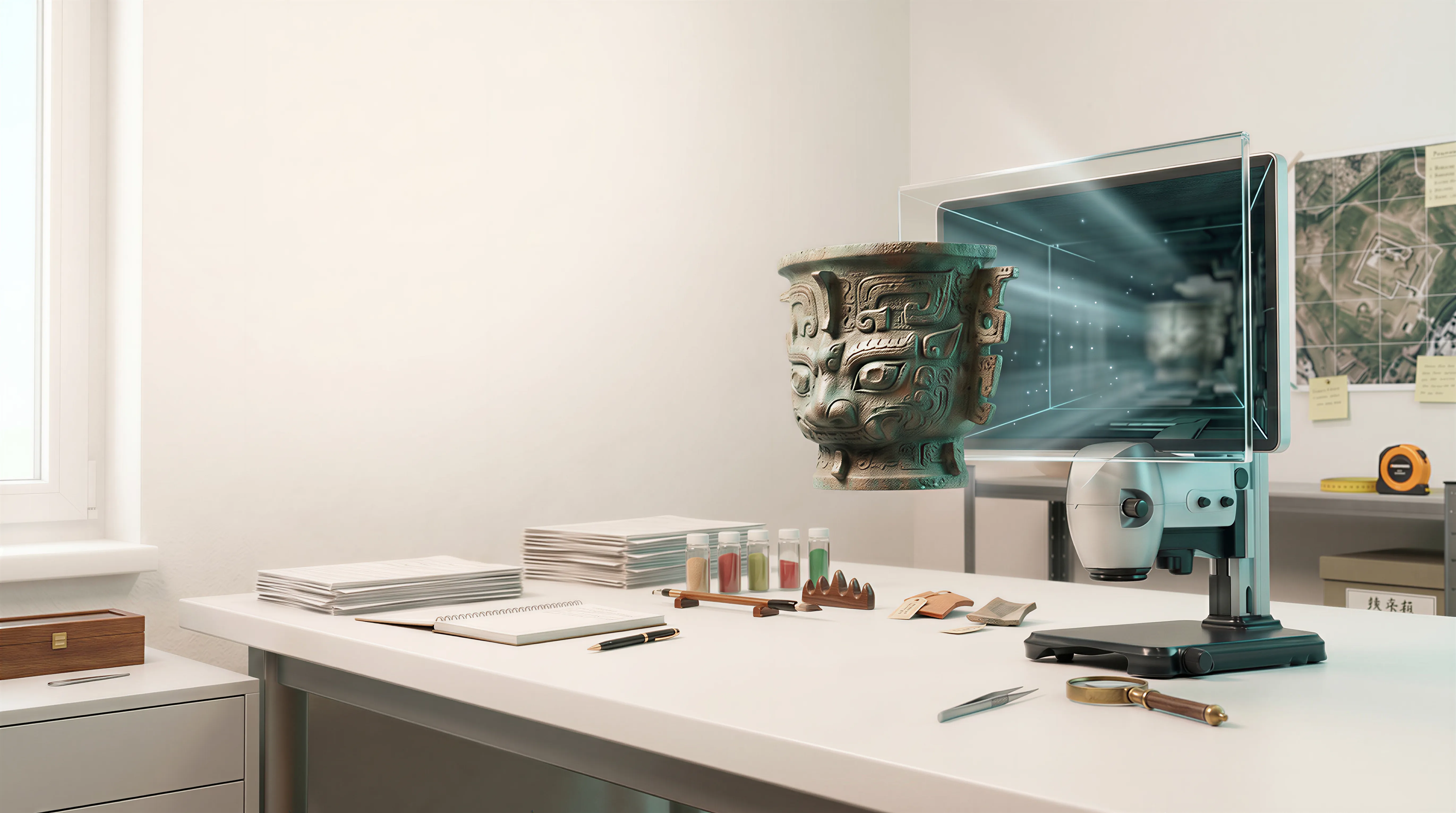
Inspect micro-features of artifacts and surfaces when interpretation quality depends on precise spatial reading.
Evaluate inclusions, fractures, and internal features during specialist validation and peer review.
Share sessions and findings across labs when teams need consistent visual context for joint interpretation.
Detailed View
The strongest fit is not flashy visualization. It is repeatable, high-quality interpretation in workflows where conclusions depend on micro-level detail.
Teams can align faster when everyone discusses the same depth cues rather than translating between different mental models.
Research sessions can run for hours, so stable viewing behavior matters more than short demo effects.
Findings are easier to explain to collaborators, reviewers, and decision makers when structure is visible on-screen.
Why Teams Evaluate It
What Good Deployment Starts With
Study target
Choose one research process first, such as morphology comparison, material validation, or artifact analysis.
Data workflow
Define how image capture, annotation, storage, and review output integrate with your existing research tools.
Collaboration model
Set whether the pilot focuses on one lab team, multi-discipline internal review, or remote cross-site collaboration.
Validation metric
Use clear metrics like interpretation agreement, review duration, or communication quality in reports.
Next Step
Pick a workflow where interpretation quality is currently fragile, then run a controlled pilot with your own experts, samples, and review criteria.
Talk to sales
Share your basic contact details and 3DV will follow up with the right demo or evaluation path.
Required: name, company, and business email. Everything else can wait until the sales reply.
Thanks - your request has been sent.
A 3DV sales specialist will reply with the right next step.