
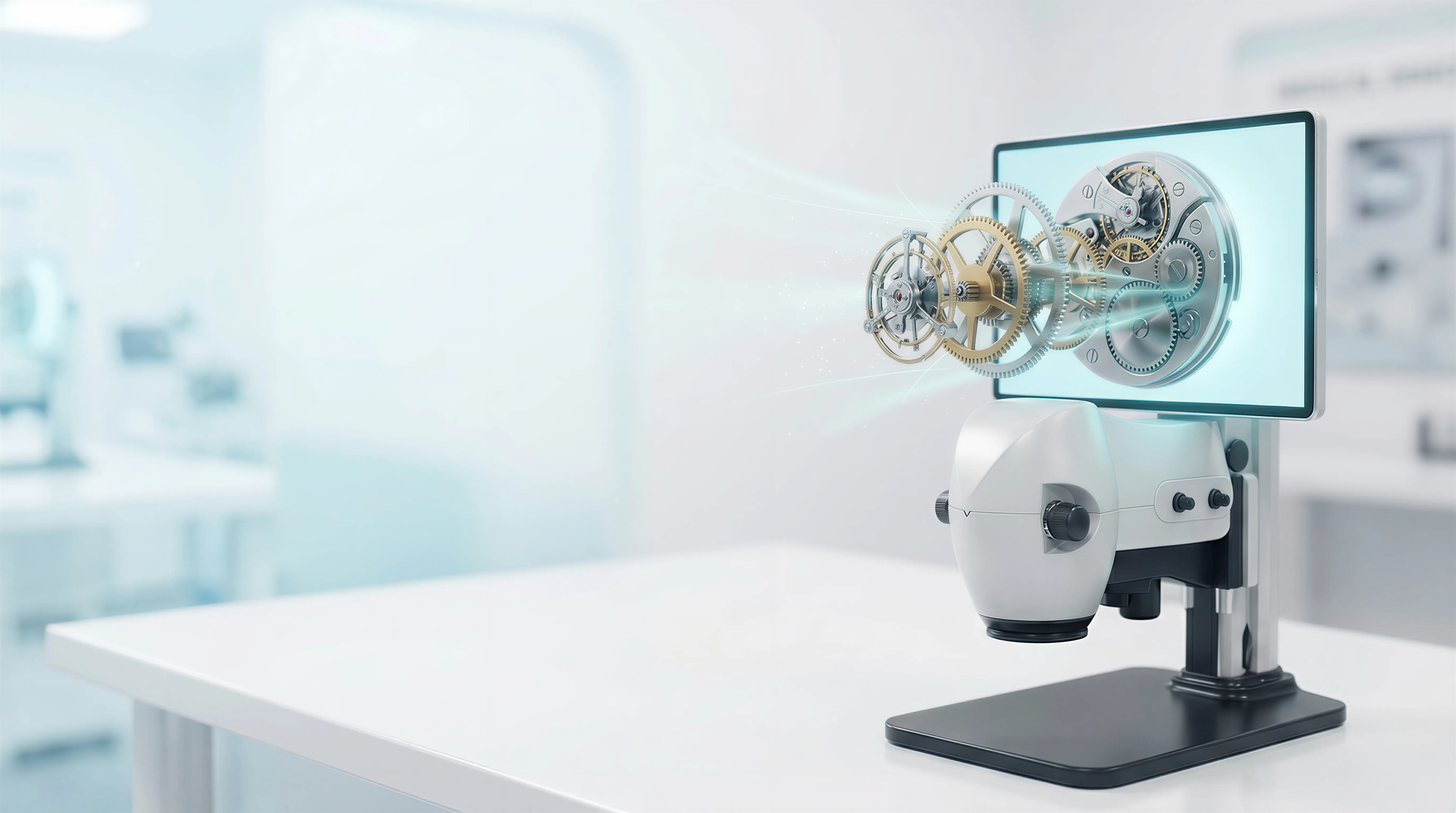
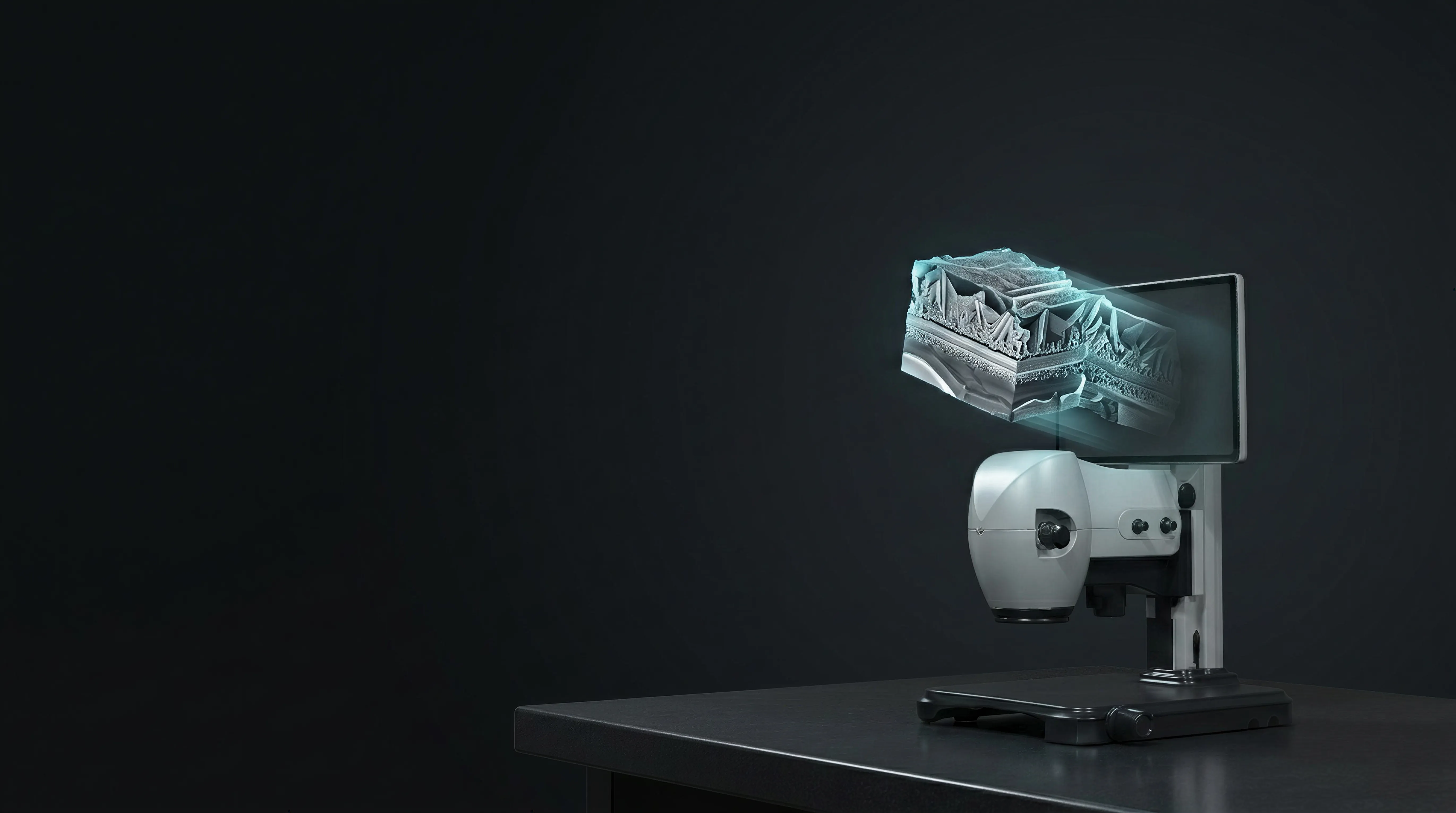


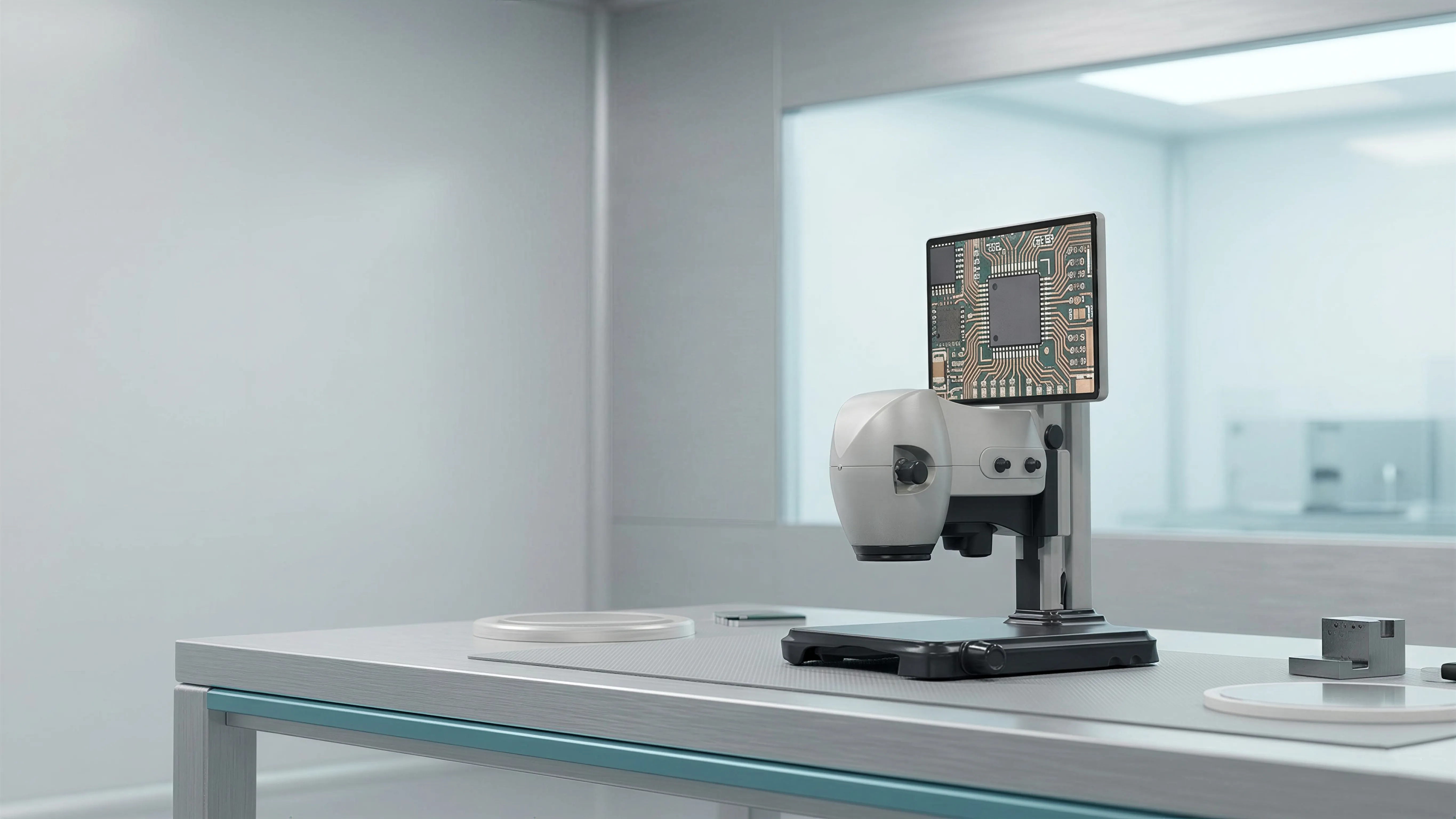
3D Spatial Microscope A Glasses-Free 3D Microscope Display For Precision Observation.

This microscope line is built for teams that need reliable depth cues, not marketing effects. It combines a 10.1-inch 2560x1600 panel, autostereoscopic viewing, 160Hz eye tracking, and up to 130x magnification for medical review, industrial inspection, teaching, and research workflows.

Use Cases

Where this autostereoscopic microscope display works best

We see the strongest demand from specialist teams that make decisions from microstructure detail, depth relationships, and side-by-side sample review.

Precision Imaging Stack

Detailed observation with practical magnification and clear microstructure depth

The microscope stack keeps resolution, magnification, and depth cues balanced so experts can trust what they are seeing during real review sessions.

10.1-inch panel with 2560x1600 resolution for fine-structure readability.
0.4x to 2.5x optical zoom with up to 130x electronic magnification for detailed review.
A 3D screen workflow helps users read geometry and depth relationships faster than flat previews.

Tracking And Stability

160Hz eye tracking and low-latency rendering for stable spatial perception

Natural head movement should not break the 3D view. The tracking and rendering path is tuned to keep depth cues coherent through longer medical and inspection sessions.

160Hz eye tracking keeps the autostereoscopic view aligned as users move naturally.
Up to 10 cm pop-out depth with <=16 ms frame latency supports stable spatial perception.
Designed for long specialist sessions where image stability affects interpretation confidence.

Shared Workflow

Real-time 2D/3D switching for practical team collaboration

The microscope supports teaching, training, and specialist discussion where one scene needs to be reviewed by multiple participants at once.

2D and 3D modes switch in real time so teams can compare, annotate, and explain without changing devices.
Multiple viewers can discuss one shared 3D view instead of queuing for a traditional eyepiece.
3D session capture and remote discussion support training, review, and cross-site consultation.

Reliability For Deployment

FPGA-driven pipeline for consistent operation in practical environments

Stable behavior and predictable output matter in long-running observation and inspection tasks, especially where review continuity impacts outcomes.

FPGA-based imaging pipeline is tuned for consistent timing and predictable rendering behavior.
Suitable for continuous operation in practical medical, inspection, and lab environments.
Non-contact observation preserves valuable samples during repeated review.

FAQ

Common questions before buying a 3D microscope display

These are the questions specialist buyers typically ask before booking a scoped demo.

What is the core value of a 3D spatial microscope compared with a normal microscope display?

The main value is depth communication. A 3D spatial microscope helps teams read layered structures, defect direction, and micro-shape relationships more intuitively than flat preview workflows.

Can multiple people review the same microscope scene together?

Yes. The system is designed for shared viewing so teams can discuss one 3D scene together instead of rotating around a single eyepiece, which is useful for teaching and specialist collaboration.

Which workflows are the best fit today?

The strongest fit is medical planning and teaching, industrial and materials inspection, advanced research observation, and technical education where interpretation quality matters.

How does this help long-duration observation sessions?

An eyepiece-free screen workflow improves posture and collaboration comfort, while stable tracking and rendering support longer review sessions with more consistent visual cues.

Next Step

Validate your glasses-free 3D microscope workflow with real samples

Start from your target scenario, then run a focused review around sample type, magnification range, and collaboration flow.